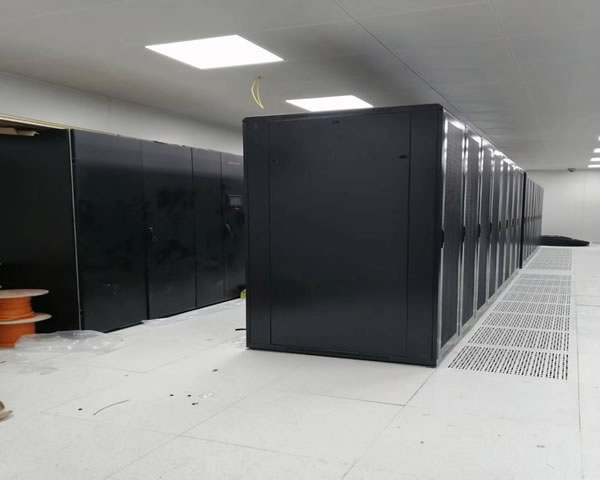
with the rapid development of the internet, cloud computing has gradually become an important solution for enterprise and personal data storage and processing. in japan, many users choose to use domestic cloud servers, but is this choice reasonable? this article will analyze the advantages and disadvantages of using domestic cloud servers in japan from multiple angles to help readers make informed decisions.
advantage 1: cost-effectiveness
a major advantage of using domestic cloud servers in japan is its relatively low cost. domestic cloud service providers generally have more competitive prices, especially in terms of storage and bandwidth. for small businesses or startups with limited budgets, choosing domestic cloud servers can significantly reduce operating costs. in addition, domestic service providers often provide a variety of package options, allowing users to flexibly adjust services according to their own needs.
advantage 2: data security
using domestic cloud servers can improve data security. since data is stored domestically, users can better comply with local laws and regulations and reduce data leakage and legal risks. in addition, domestic cloud service providers usually provide complete security protection measures, including firewalls, data encryption, and regular backups. these measures can effectively protect users’ data security and enhance users’ trust in cloud services.
advantage three: technical support and service quality
domestic cloud service providers are usually able to provide more timely and efficient technical support. due to the time difference, when using domestic cloud servers in japan, users can receive corresponding technical support during working hours. in addition, domestic service providers have a deeper understanding of the local market and can provide more refined services based on the specific needs of users. this kind of considerate service can help users solve problems quickly and improve work efficiency.
disadvantage 1: network latency and speed
although domestic cloud servers have many advantages in terms of cost and service quality, they may have disadvantages in terms of network latency and speed. since data transmission needs to cross national borders, users may experience higher delays when accessing domestic cloud servers. this may have a negative impact on application scenarios that require fast response, such as online gaming and real-time data processing. therefore, network quality needs to be considered comprehensively when choosing a cloud server.
disadvantage 2: compliance risk
when using domestic cloud servers in japan, you also need to pay attention to compliance risks. although domestic cloud service providers will comply with local laws and regulations, since data is stored domestically, they may face different legal environments and regulatory requirements. when enterprises choose cloud services, they should ensure that their service providers can meet relevant compliance requirements and avoid potential risks caused by violating laws.
disadvantage 3: insufficient market adaptability
domestic cloud service providers may be more suitable for the needs of domestic users in terms of technology and services, but when facing the japanese market, they may not be able to fully meet the usage habits and business needs of local users. this lack of market adaptability may cause users to encounter inconvenience during use and affect the overall user experience. therefore, users need to carefully evaluate the market adaptability of service providers when choosing.
summary and suggestions
to sum up, there are advantages and disadvantages to using domestic cloud servers in japan. when choosing cloud services, users should conduct a comprehensive evaluation based on their business needs, budget, and technical support requirements. if you have a limited budget and have high requirements for data security, domestic cloud servers may be a good choice. however, users with higher requirements for network speed and compliance may want to consider other cloud service options. before making a final decision, users are advised to compare multiple options and choose the most appropriate cloud service solution.
- Latest articles
- Assessing Customer Rights During Alibaba Cloud Hong Kong Data Center Outages From A Legal Compliance Perspective
- Optimization Techniques For Combining Hong Kong Station Multi-IP Cluster Servers With Load Balancing Technology
- How To Choose A Cheap Hong Kong VPS That Ensures Access Quality And Latency At Low Cost
- Cambodia CN2 Return To China Server Deployment Process And Common Troubleshooting Guide
- Is It Illegal To Buy A US High-defense Server? Typical Legal Risk Case Analysis And Enterprise Self-inspection Checklist
- Practical Sharing Of Cambodia VPS's Advantages And Deployment In Overseas Marketing And Promotion
- How To Select Data Centers And Lines To Maximize The Stability Of Thailand's VPS Network
- How The Operations Team Monitors And Optimizes The Performance And Availability Of VNPs CN2 In Vietnam
- Detailed Guide On How To Achieve Low-latency Matches On The Infinite Rule + Thai Servers
- Analysis Of Stable And Affordable Server Configurations And Cost-effectiveness For Small And Medium-sized Enterprises In Malaysia
- Popular tags
-

Which One Is More Suitable For You Compared To Japanese VPS Or Hong Kong VPS?
This article will provide a comprehensive comparison of Japanese VPS and Hong Kong VPS to help you choose the most suitable VPS service. -

-
Case Study: Which Japanese Cloud Server Provider In Shuozhou Is The Best? Real Customer Stories Of Successful Deployments
Through a real-world deployment case of an enterprise in Shuozhou using Japanese cloud servers, this article analyzes key aspects such as selection, networking, security, performance, and operation and maintenance. It aims to help local users determine which Japanese cloud servers are the best for use in Shuozhou and provide practical recommendations.